Signs You Have Hidden Mold in Your Prairieville Home or Business (2026 Guide)
Hidden mold is a serious problem for property owners in Ascension Parish. If you are searching for a mold inspection service in Prairieville, LA, understanding the warning signs can help you act before small moisture issues become costly structural damage. Prairieville sits in Louisiana's humid subtropical climate zone, where high year-round humidity and frequent storm seasons create near-ideal conditions for mold to grow inside walls, ceilings, and HVAC systems without ever showing on the surface.

Why Prairieville Properties Are Especially Vulnerable to Hidden Mold
Rapid new construction in Ascension Parish means many homes can have moisture-management challenges from the start. Older properties along Highway 73 and Airline Highway face aging rooflines and foundations more likely to allow water intrusion after a storm.
Mold spores can colonize at around 60% relative humidity, and Prairieville regularly exceeds that threshold outdoors for well over half the year. When humid air enters a home through small gaps, condenses inside ductwork, or gets trapped after flooding, mold can begin developing behind surfaces within 24 to 48 hours. Scheduling a mold inspection service in Prairieville, LA, after any moisture event is one of the most effective steps a property owner can take.
Prairieville's location in southeast Louisiana also makes it vulnerable to tropical systems. Post-storm moisture that is not fully dried out can linger inside walls and attic spaces for weeks, long after visible water is gone.
What Are the Most Common Signs of Hidden Mold?
Persistent Musty or Earthy Odors
A lingering musty smell is one of the most reliable early indicators of hidden mold. The odor tends to be strongest near exterior walls, in poorly ventilated bathrooms, and in attic spaces. If the smell persists after cleaning, the source may be behind a surface rather than on it.
Water Stains and Discoloration on Walls or Ceilings
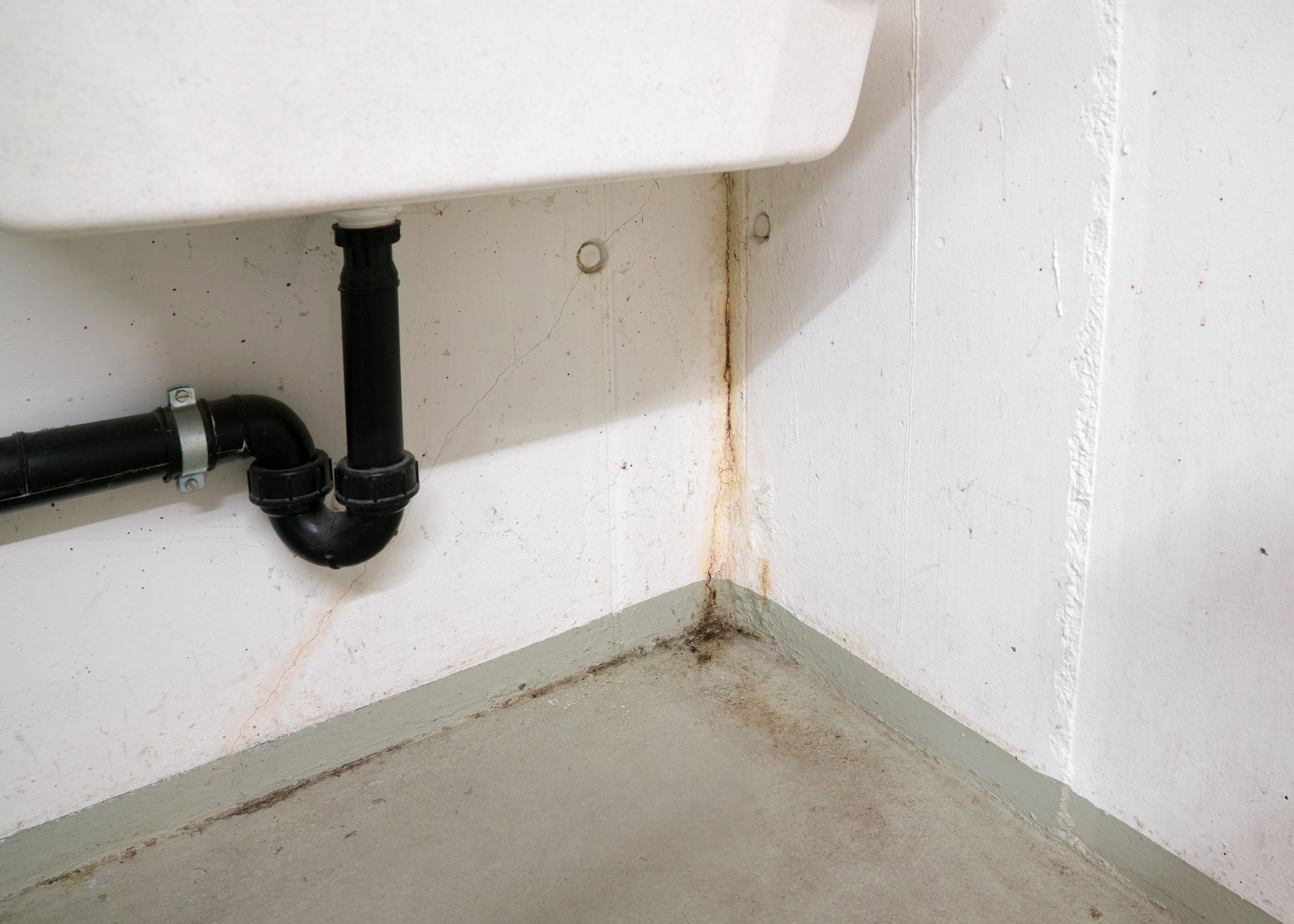
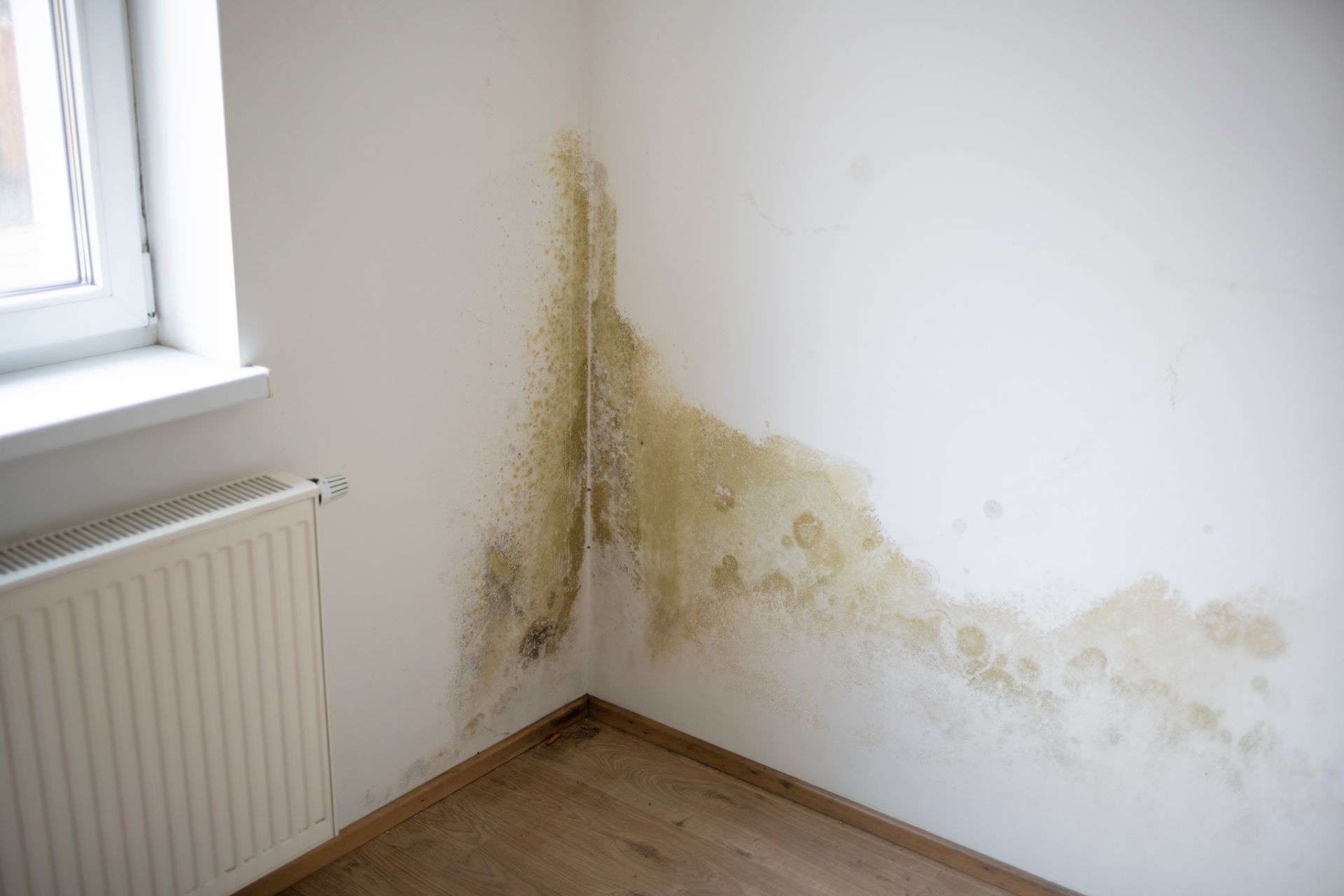
Brown or yellowish staining on drywall or ceiling tiles often signals moisture intrusion. In Prairieville homes, these stains frequently appear after heavy rain or HVAC condensation issues. The stain may be dry by the time you notice it, but mold can still be actively growing in the damp material behind the surface.
Warping, Buckling, or Soft Spots in Building Materials
When flooring feels soft underfoot, baseboards pull away from the wall, or drywall shows bubbling or warping, trapped moisture is likely the cause. These physical changes often indicate water has been present long enough for mold to establish itself inside the material.
Unexplained Health Symptoms
Recurring respiratory irritation, persistent coughing, increased asthma symptoms, or itchy eyes that improve when you leave the building may indicate elevated mold spore levels indoors. These symptoms do not confirm mold on their own, but they are worth taking seriously alongside other warning signs.
Allergy-Like Symptoms That Worsen Indoors
If household members notice worsening allergy symptoms inside the home but improvement after time outdoors, air quality may be compromised. Mold spores released into the air through HVAC systems can circulate through an entire building, affecting rooms far from the original growth site.
HVAC and Ductwork Concerns
Condensation inside ductwork, combined with slab-foundation moisture and attic temperature swings, can create conditions where microbial growth develops inside the system itself. If musty air blows from vents when the HVAC runs, investigate with a professional mold inspection service in Prairieville, LA.
Why DIY Mold Test Kits Often Fall Short
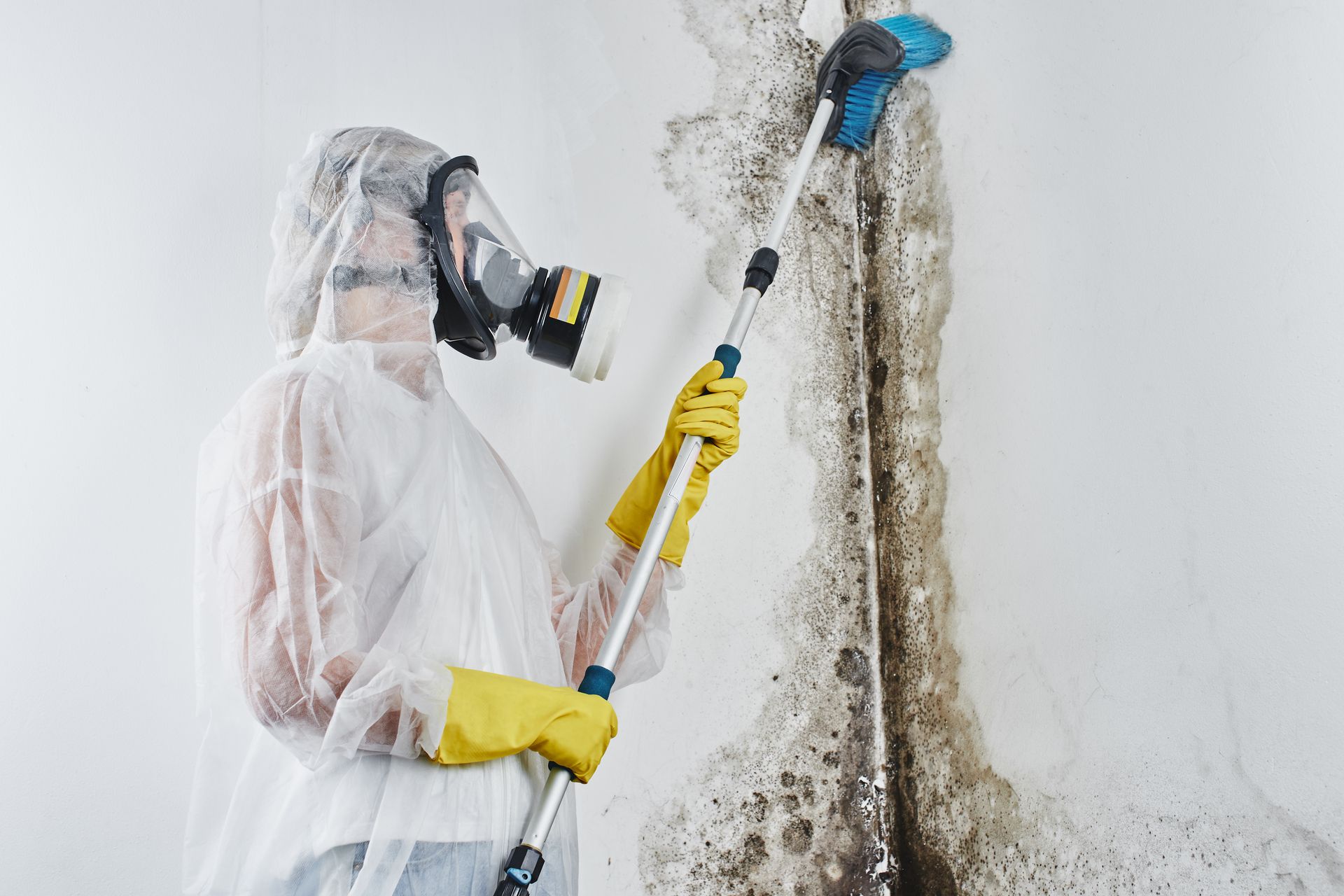
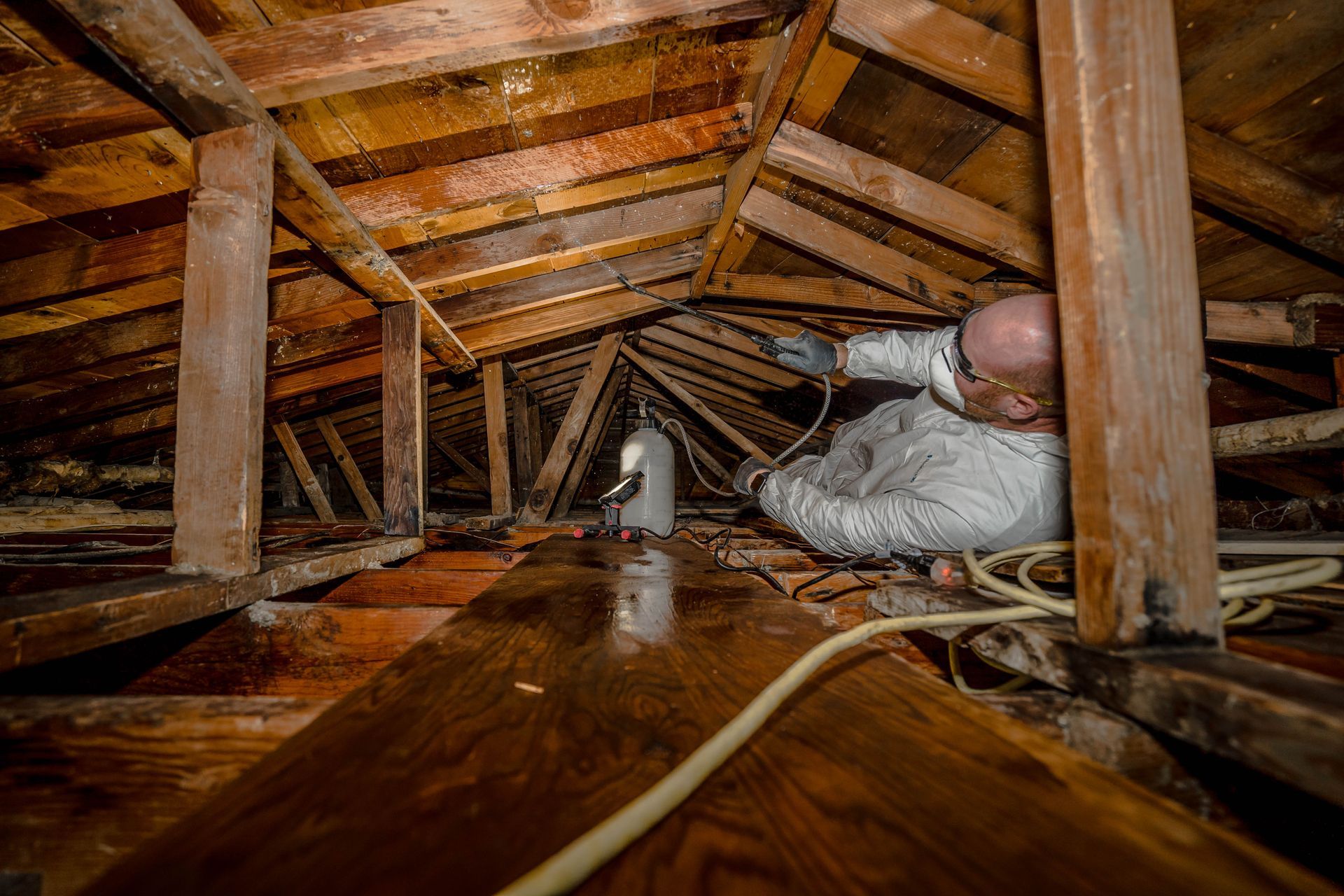
Store-bought mold test kits may detect spores, but they typically cannot identify the location of hidden growth, measure the extent of contamination, or sample areas behind walls or inside HVAC systems. Disturbing suspected mold without proper containment can spread spores to unaffected areas. A professional inspector uses moisture meters, thermal imaging, and air sampling equipment to locate growth that is not visible and assess whether
mold damage restoration services are needed.
Frequently Asked Questions About Mold in Prairieville, LA
Can Mold Grow Inside My Walls Without Any Visible Signs?
Yes. Mold can grow in wall cavities, beneath flooring, and inside ceiling assemblies without visible surface growth. Moisture from a slow pipe leak, ductwork condensation, or residual flood water can sustain hidden colonies for months. A certified inspection is the most reliable way to find out.
How Long Does a Mold Inspection Take for a Typical Home?
It depends on the property size and areas being evaluated. Inspectors typically assess moisture levels in walls, attic spaces, crawl spaces, and around HVAC components. Air samples may be sent to a lab for analysis.
Does Homeowners Insurance Cover Mold Inspection or Remediation?
Coverage varies by policy. Sudden events, such as a burst pipe, may be covered, while mold from long-term moisture issues often is not. Documenting damage thoroughly and working with a restoration provider experienced in insurance coordination may help support a claim.
Take Action Before Mold Spreads Further
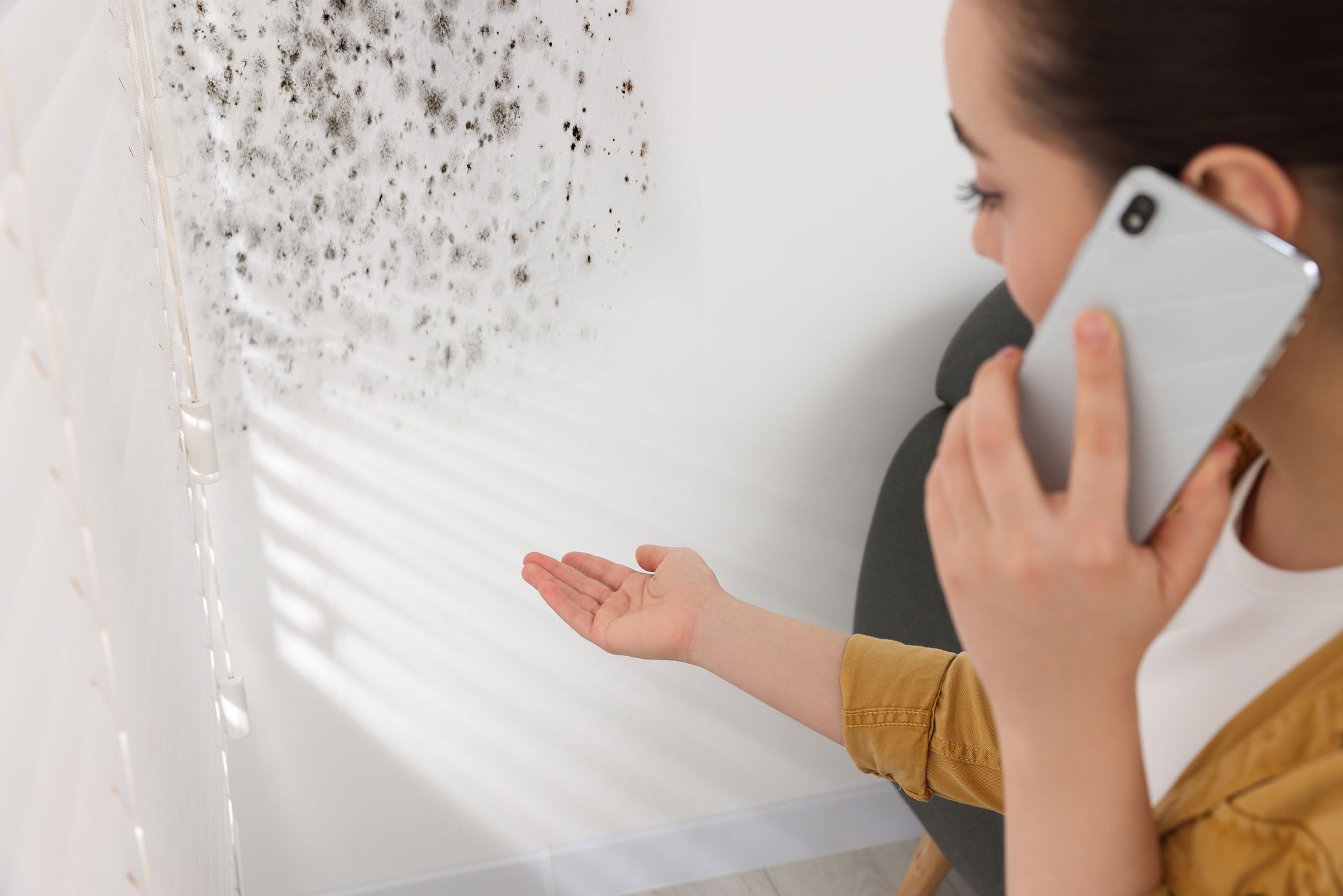
Hidden mold does not get better on its own. If you have noticed any of the warning signs described in this guide, act now. Connecting with a trusted mold inspection service in Prairieville, LA, is the most direct step toward protecting your property and everyone inside it.
Bross Restoration LLC serves Prairieville and the surrounding Ascension Parish area with professional mold inspection and mold damage restoration for residential and commercial properties. The team is locally owned, woman-founded, and woman-operated, with deep knowledge of Louisiana's climate and its moisture challenges. To request an assessment,
contact the team today or call
(225) 256-1095.