Water Mitigation vs. Water Damage Restoration: What Baton Rouge Homeowners Need to Know in 2026
Water mitigation and water damage restoration are two separate but connected steps every Baton Rouge homeowner should understand before a water emergency strikes. Knowing the difference helps you make faster decisions, protect your home, and navigate your insurance claim with less stress. This article explains both terms and shows why water mitigation in Baton Rouge, LA, is always the critical first move.

What Is Water Mitigation?
Water mitigation is the emergency phase that happens immediately after water enters your home. The goal is simple: stop the damage from spreading.
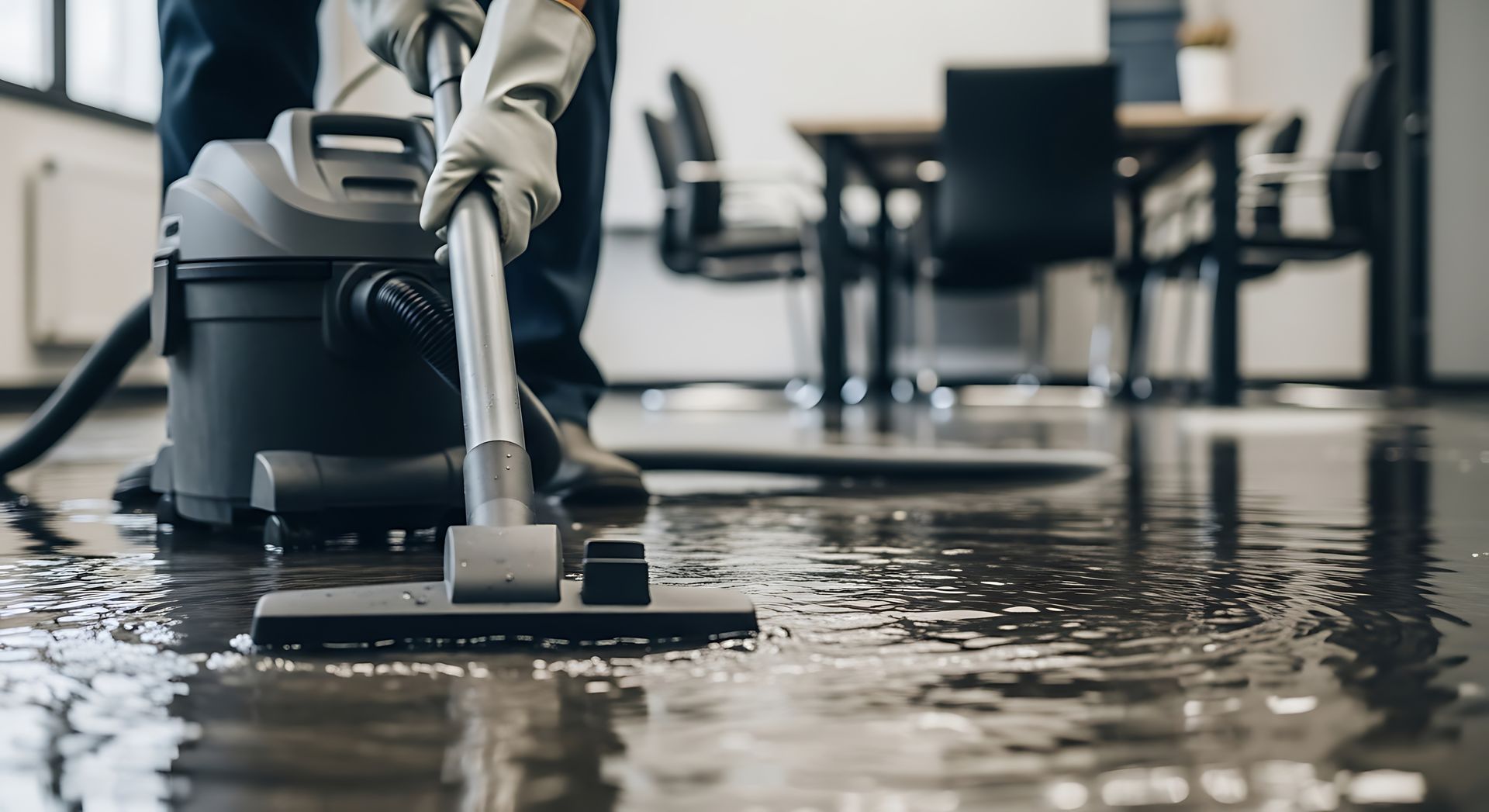
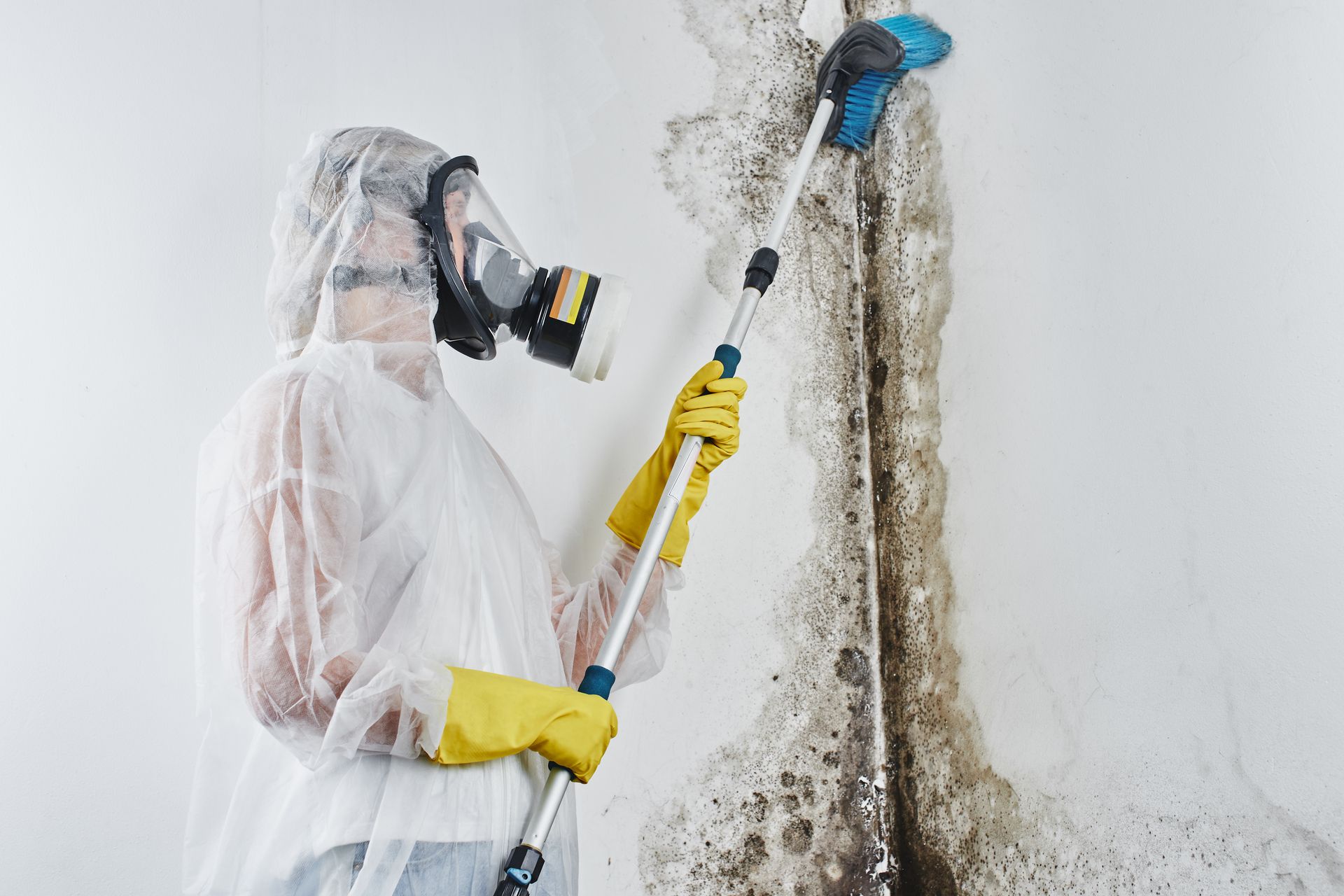
A mitigation crew arrives, identifies the water source, and works fast. They extract standing water, remove soaked materials, and set up drying equipment to pull moisture from walls, floors, and air. The job is to stabilize your home, not restore it.
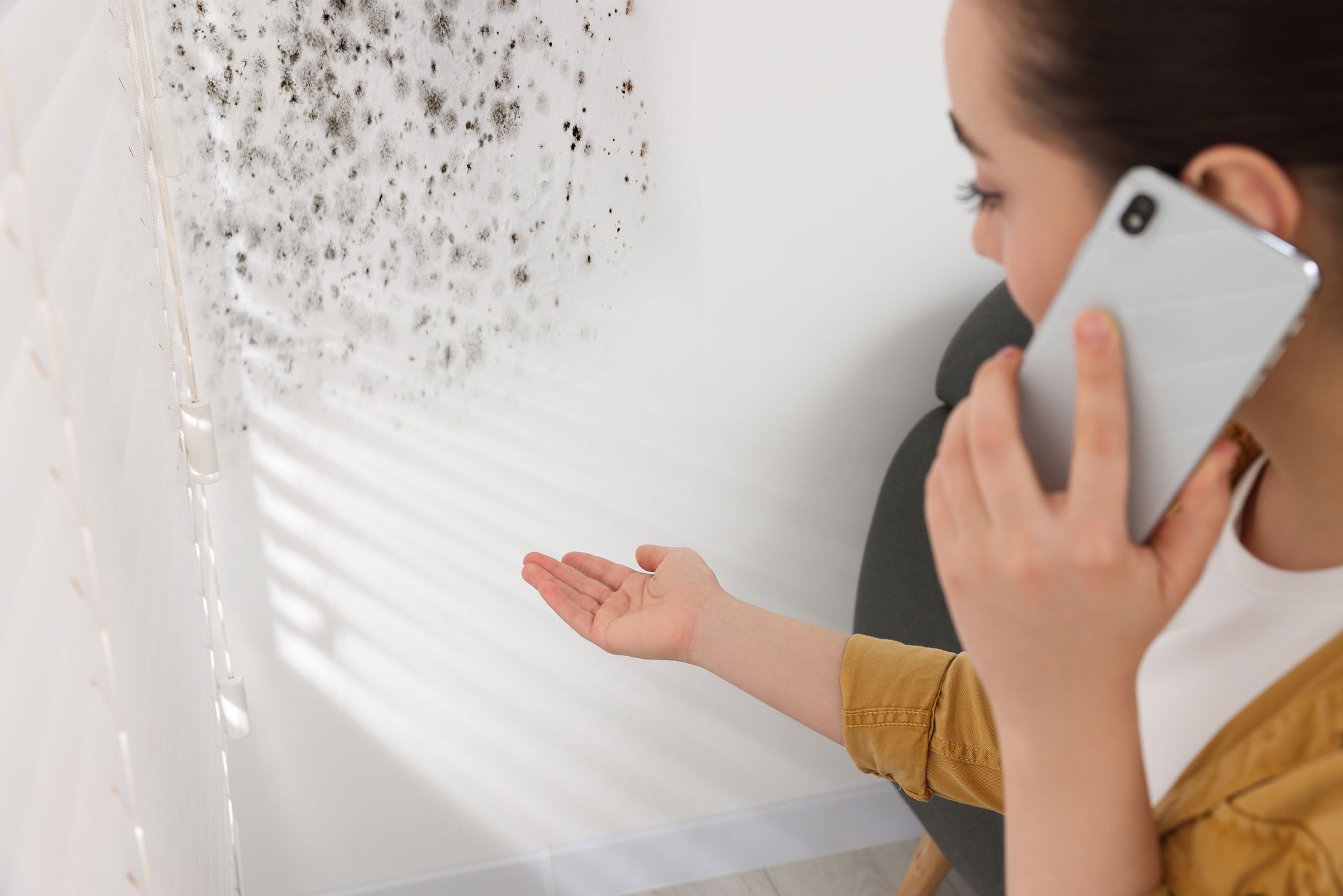
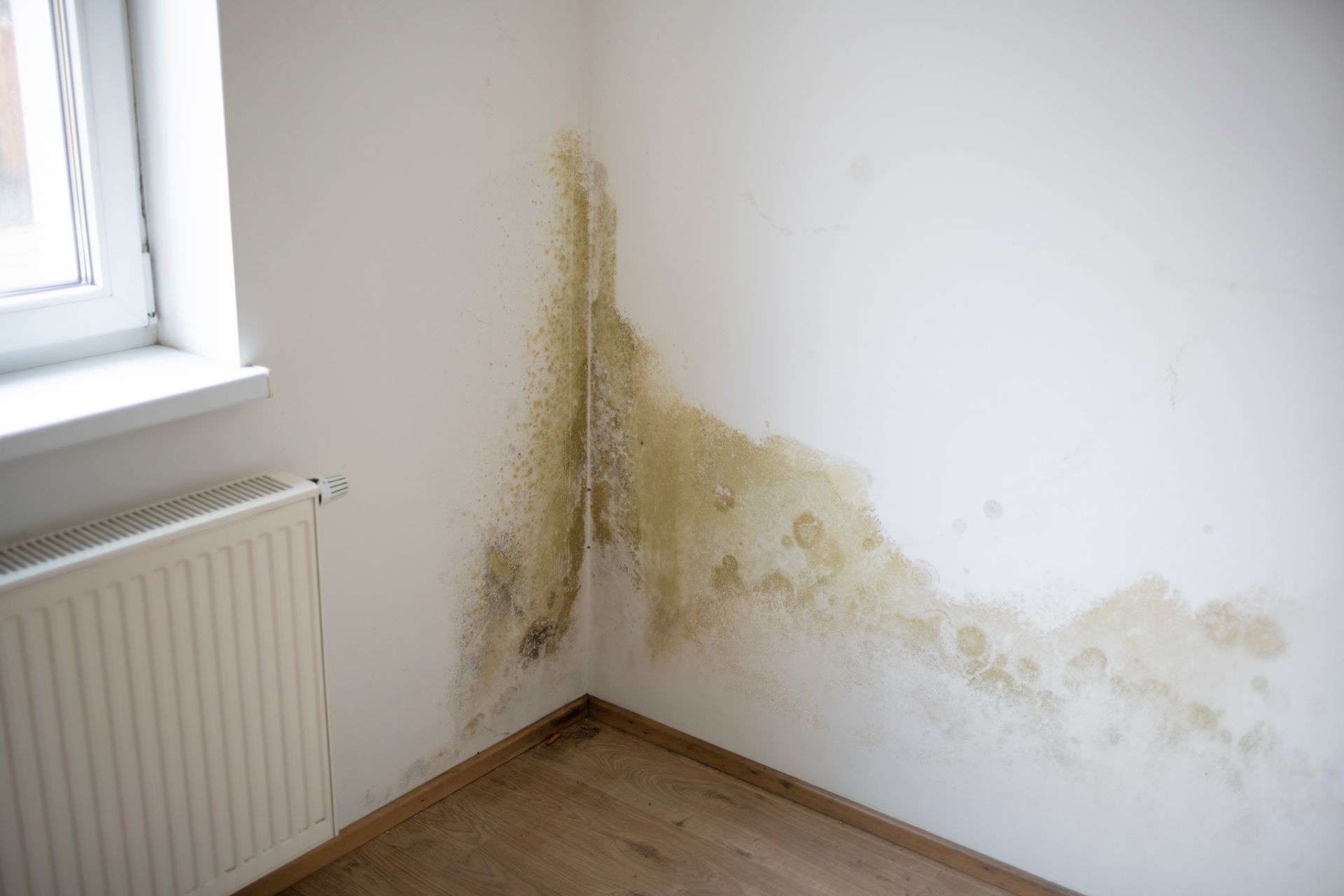
In Baton Rouge, speed matters more than almost anywhere else. Louisiana's humidity means moisture left in walls or under flooring can trigger mold growth within 24 to 48 hours. Older homes in neighborhoods like Broadmoor and Mid-City with pier-and-beam foundations hold water longer than slab-on-grade construction in newer subdivisions like Prairieville or Central. Mitigation crews account for these structural differences when placing drying equipment.
What Is Water Damage Restoration?
Water damage restoration is the repair phase that follows mitigation. It begins only after moisture levels are confirmed safe.
Restoration may include replacing drywall, repairing flooring, repainting walls, and rebuilding structural elements that were too damaged to save. Think of mitigation as triage and restoration as the work that returns your home to its pre-loss condition. Both are necessary after most significant water events, but they happen in sequence, not simultaneously.
Key Differences at a Glance
Mitigation focuses on: stopping the water source, extracting standing water, drying the structure with industrial fans and dehumidifiers, preventing mold growth, and documenting moisture readings for your insurance claim.
Restoration focuses on: repairing or replacing damaged building materials, rebuilding walls, floors, and ceilings, returning the property to its original condition, and completing a final inspection and clearance.
Mitigation is billed and scoped separately from restoration. Your insurance adjuster will typically review mitigation work before approving the restoration phase.
When Do You Need Both?
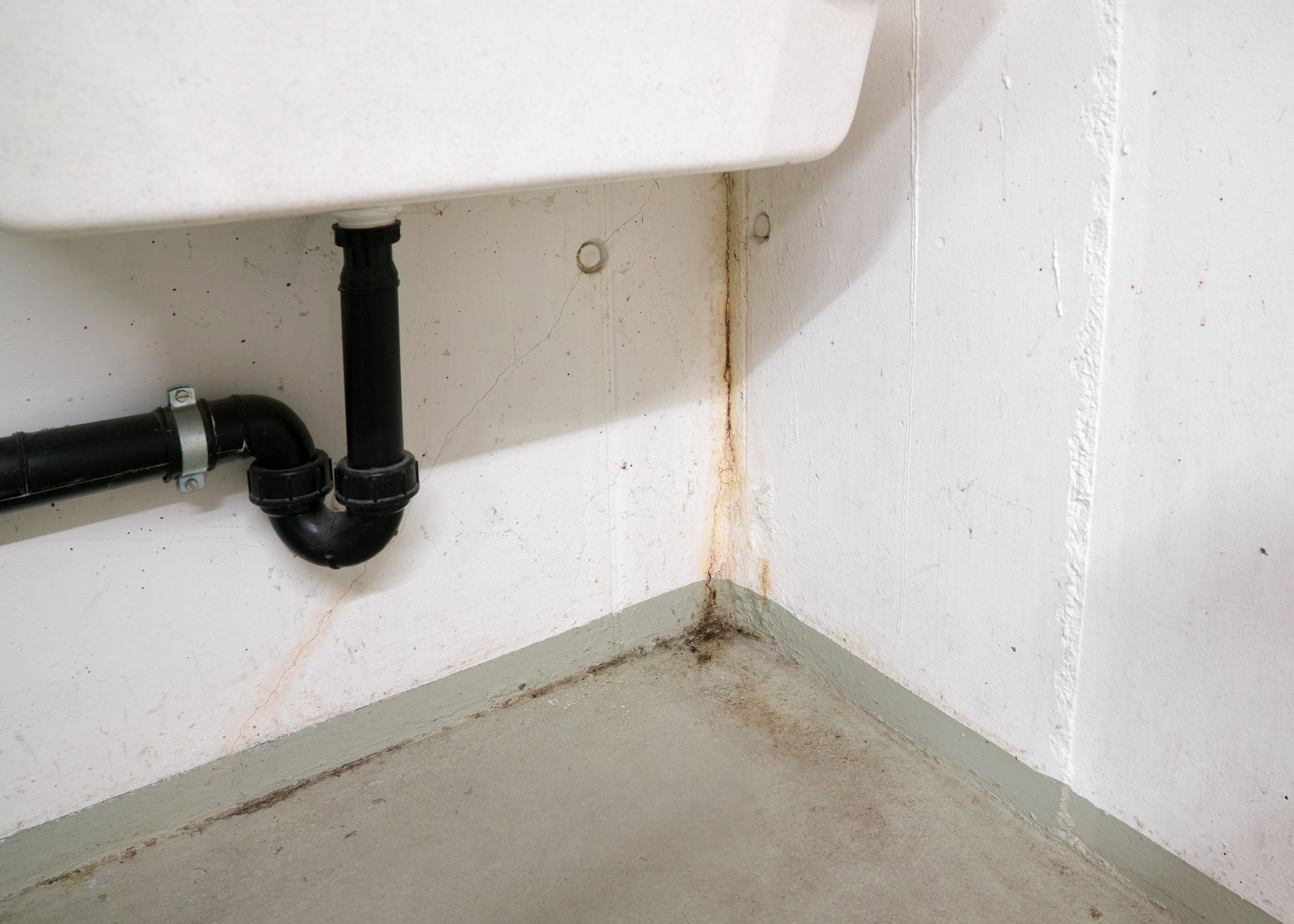
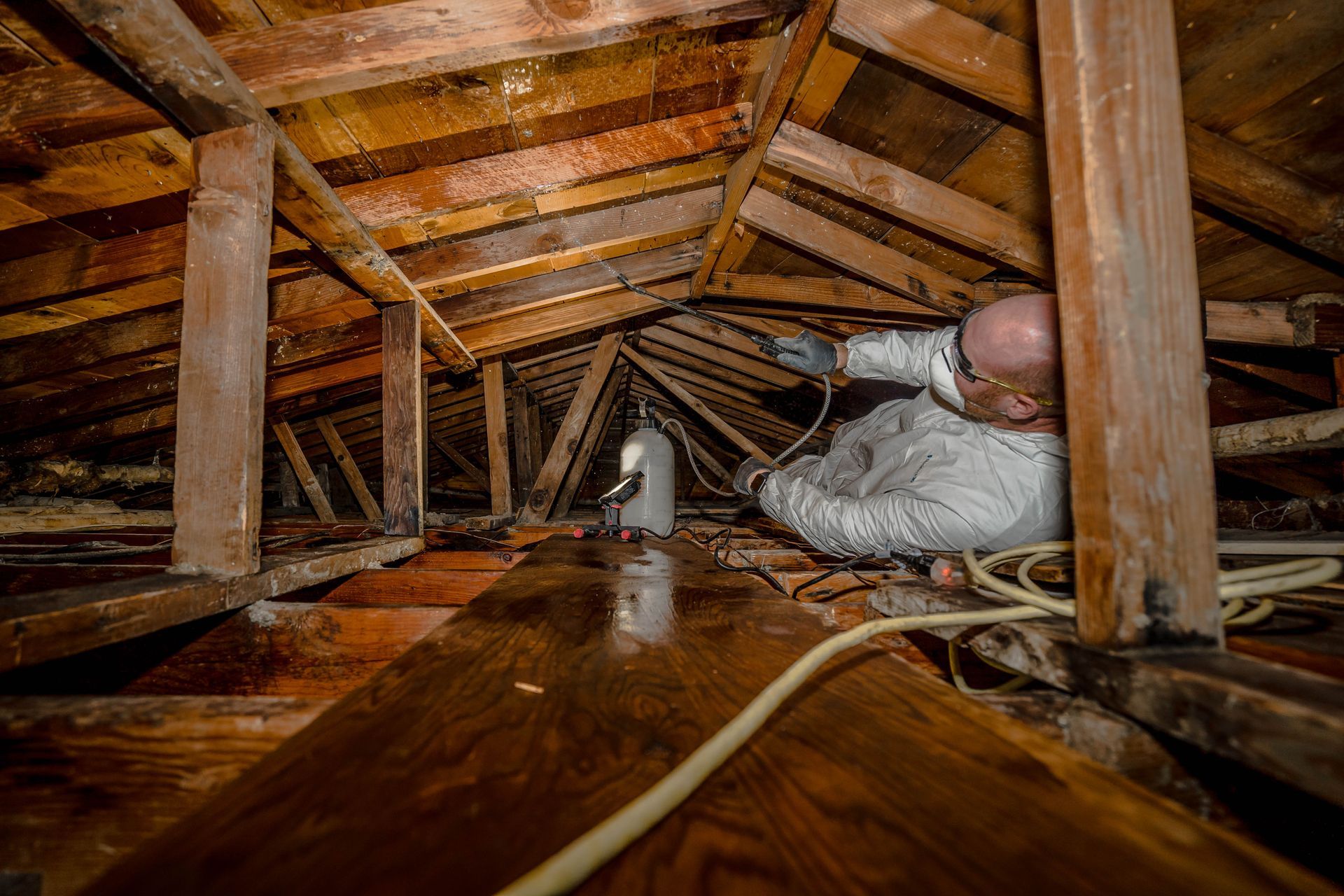
Most water events in the Baton Rouge area require both phases. A burst pipe that soaks a bathroom will need emergency extraction followed by drywall and flooring repair. A roof leak that goes undetected for days may require extensive drying before any rebuilding can begin.
Gulf weather systems pushing heavy rain through East Baton Rouge Parish can flood multiple rooms at once. In those situations, restoration scope depends directly on how quickly mitigation was completed. The faster moisture is removed, the smaller the repair job tends to be.
Minor issues, such as a small appliance leak caught immediately, may need only limited mitigation with little or no restoration. A trained technician can assess which phase applies and to what extent.
How Insurance Handles Each Phase
Most standard homeowners policies in Louisiana cover sudden and accidental water damage, but mitigation and restoration are often handled as two separate line items in the claims process.
Your insurer generally wants mitigation to begin immediately. Fast action protects the property and reduces the total claim. Keep all records from the mitigation process, including photos, moisture readings, and contractor notes. Your adjuster will review these before approving restoration work.
Flood damage from storm surge or rising river water is typically covered under a separate flood policy through the National Flood Insurance Program. Baton Rouge homeowners near the Comite or Amite rivers should confirm their coverage before a weather event forces the question.
Is Water Mitigation Covered by Homeowners Insurance?
Emergency water mitigation from sudden and accidental damage is often covered under standard homeowners insurance. Flooding from outside the home usually requires a separate flood policy. Document damage immediately and contact your insurer before work begins when possible.
How Long Does Water Mitigation Take?
Mitigation typically takes two to five days depending on the extent of damage and moisture saturation. Restoration begins only after drying is verified. Acting quickly shortens both phases.
Can Mold Grow During the Restoration Phase?
Yes. If mitigation is incomplete or drying equipment is removed too soon, mold can develop before restoration begins. In Baton Rouge's humid climate, this risk is especially high. Confirm that moisture readings meet safe thresholds before any drywall or flooring is closed up.
Get Expert Help From a Local Team That Knows Baton Rouge
When water enters your home, every hour counts. Bross Restoration LLC is a locally owned, woman-founded company serving Baton Rouge and surrounding communities in East Baton Rouge Parish, including Denham Springs, Prairieville, Gonzales, and Zachary. The team handles both water mitigation and restoration under one roof, so there is no gap between phases and no confusion with your insurance claim.
Choosing a contractor experienced in emergency water removal across East Baton Rouge Parish means faster drying times, better documentation, and a smoother insurance process. Whether damage is from a burst pipe, appliance failure, or storm flooding, prompt mitigation protects your home and limits long-term costs.
Call
(225) 256-1095 today to speak with a local specialist, or
contact the team online to request a free assessment. You can also find and review
Bross Restoration LLC on Google to see what other Baton Rouge homeowners have experienced.